If you’re aiming to delve into the mechanics of suspense in horror films, “Sleepaway Camp” is an essential case study. Released in 1983, this film may not be as universally recognized as some of its slasher contemporaries, but it holds a unique position for its unpredictable nature and the psychological layer that elevates it above simple jump scares. Let’s break down how this film manages to grip its audience with a sense of dread from start to finish.
Subverting expectations
One of the most effective tools in “Sleepaway Camp” is its ability to play with the audience’s expectations. Initially, it sets the stage similar to many other summer camp horrors : a camp filled with innocent teens, seemingly idyllic but soon tainted by a series of mysterious deaths. However, the film cleverly twists what viewers anticipate, making the final reveal shockingly unexpected. This subversion not only keeps the audience on edge but also encourages them to question every character’s motive, heightening the suspense.
Character-driven suspense
Unlike many horror films that rely heavily on external threats, “Sleepaway Camp” builds suspense through its characters. Angela, the film’s protagonist, is portrayed as an outsider with a mysterious past, causing unease in both the camp environment and the audience. The film expertly uses this character’s quiet demeanor to build tension, making viewers constantly wonder about her next move. This character-centric approach ensures that the horror feels intimate and immediate, rather than distant and impersonal.
Setting the mood
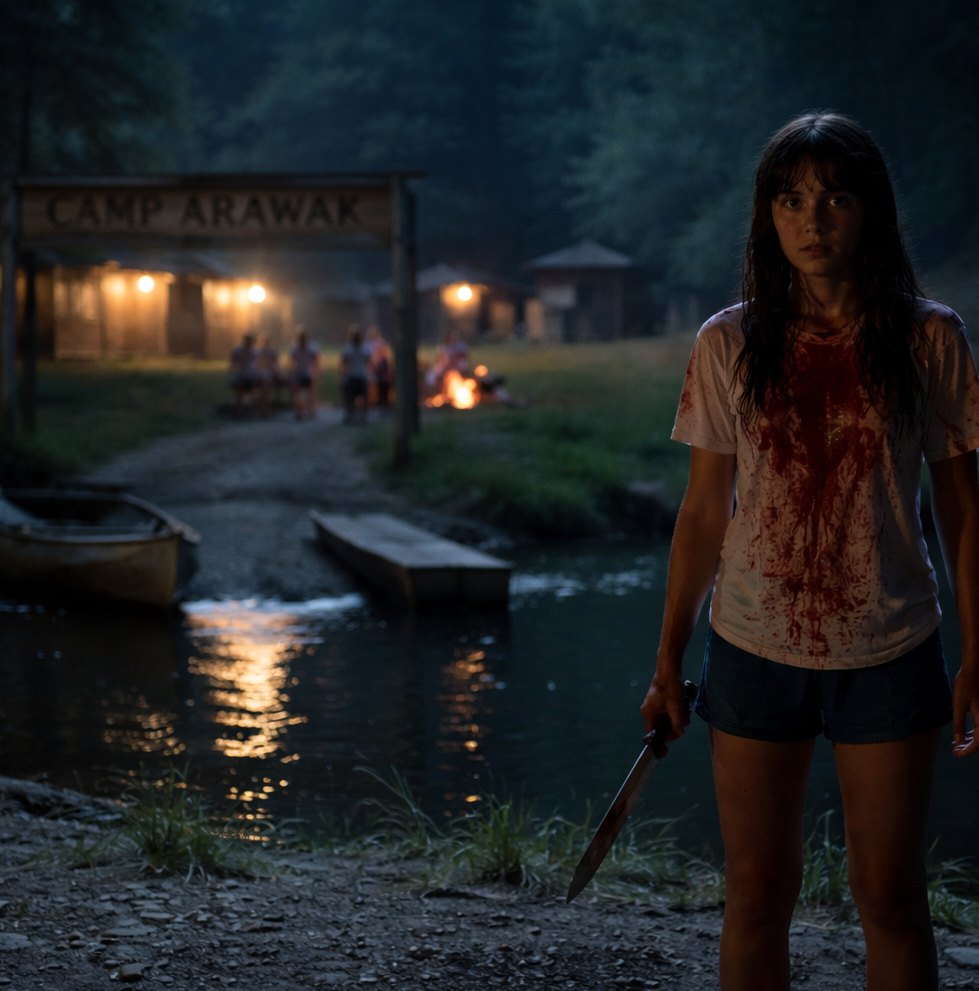
 The film’s setting plays a crucial role in establishing suspense. The backdrop of a seemingly safe summer camp becomes ominously threatening as the film progresses. Director Robert Hiltzik utilizes natural elements like fog, darkness, and isolated cabins to create a claustrophobic atmosphere. The tranquil surroundings contrast the mounting terror, enhancing the unsettling feeling that danger lurks in the most familiar places. It’s a reminder that horror can thrive in environments that oppose the genre’s dark tones.
Sound design as a psychological tool
“Sleepaway Camp” further intensifies suspense through its strategic use of sound. The score oscillates between somber melodies and sharp, jarring crescendos at pivotal moments, ensuring that viewers remain on edge. The absence of music during critical scenes also amplifies tension, forcing viewers to focus intently on the narrative unfolding before them. This juxtaposition of sound and silence is a masterful technique that involves audiences deeper into the film’s creepy ambiance.
Building psychological tension
The film’s psychological undercurrents add another layer of suspense. “Sleepaway Camp” delves into themes of identity and trauma, using Angela’s character to explore complex emotional landscapes. The film’s infamous ending not only shocks but also forces viewers to reevaluate everything they’ve watched. This blend of psychological horror with traditional slasher elements keeps the film engaging, ensuring it leaves a lasting impression long after the credits roll.
“Sleepaway Camp” showcases how horror can transcend gore and jump scares by tapping into psychological unease and subverting narrative expectations. Whether you’re a filmmaker looking to craft suspense or an enthusiast of the genre, this film is a testament to the power of character-driven stories in creating an indelible sense of tension and thrill.